history.nasa.gov
Everything the estate keeps about it, including what it publishes itself.
In its own words
Gemini Astronaut Photos Inspired Early Earth Observation ProgramAstronauts James A. Lovell Jr. and Edwin E. “Buzz” Aldrin Jr. orbited Earth from November 11 to 15, 1966, on Gemini XII, the final mission of NASA’s Gemini program. In addition to successfully completing rendezvous maneuvers and spacewalks, procedures vital to sending American astronauts to the Moon, the crew was also spurring the development of […]Michele Ostovar nasa.gov 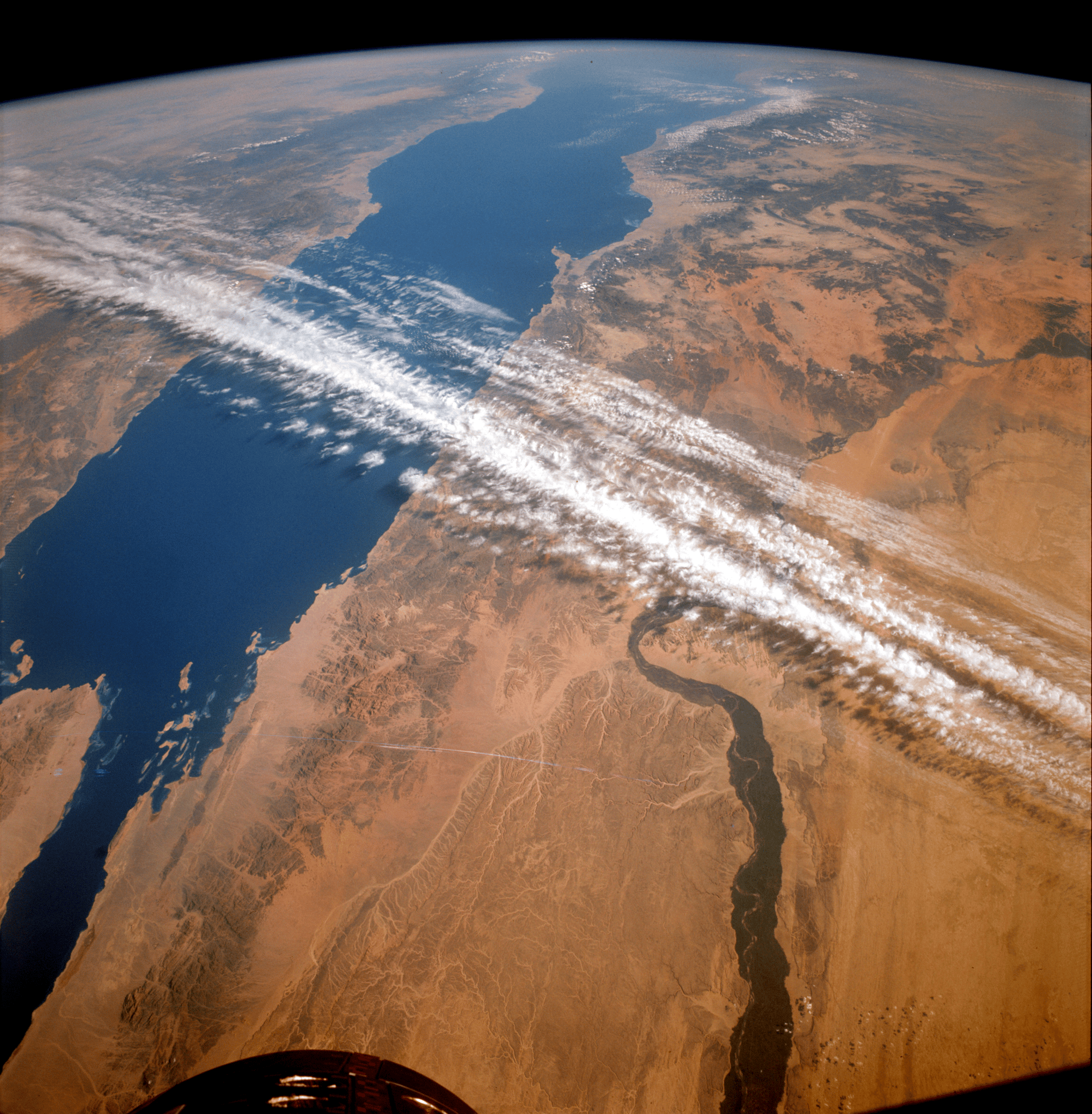 Through NASA’s Lens: Capturing Space Shuttle Endeavour’s Move to LAAs a new exhibit opens showcasing NASA’s space shuttle Endeavour, NASA photographers look back at the final mission. These photographers documented the iconic images shared around the world on Sept. 21, 2012, while millions watched space shuttle Endeavour fly on top of the agency’s 747 Shuttle Carrier Aircraft for the last time. Endeavour’s new home…Dede Dinius nasa.gov
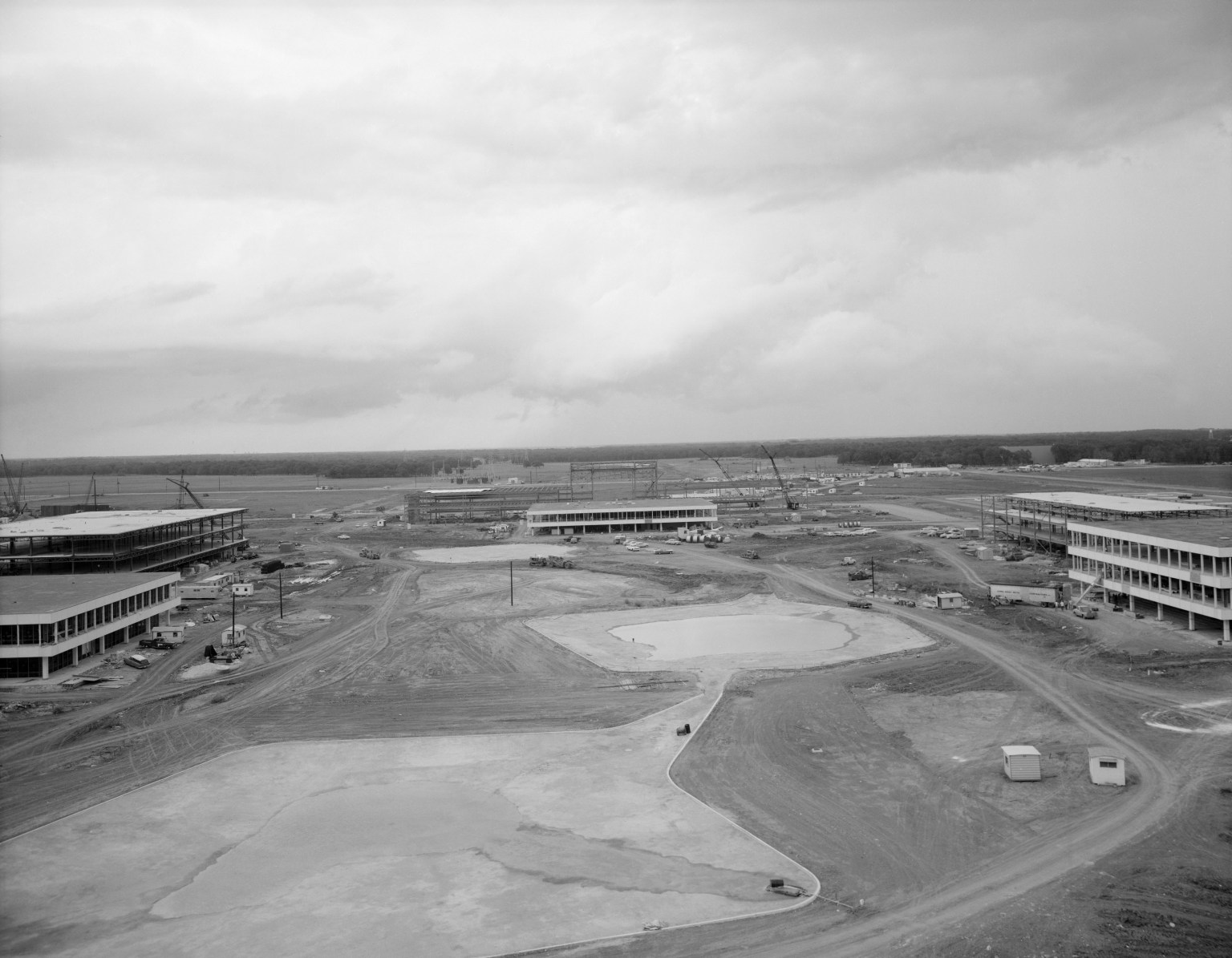
 Happy 65 Years: NASA’s Johnson Space Center Then and NowSixty-five years ago, a bold vision took root in Houston: a NASA center dedicated to human spaceflight. Since its founding, NASA’s Johnson Space Center has helped lead the nation’s human spaceflight program, supporting missions from Project Mercury through Artemis. Today, Johnson serves as NASA’s Center of Excellence for Human Spaceflight, and its…Sumer Loggins nasa.gov
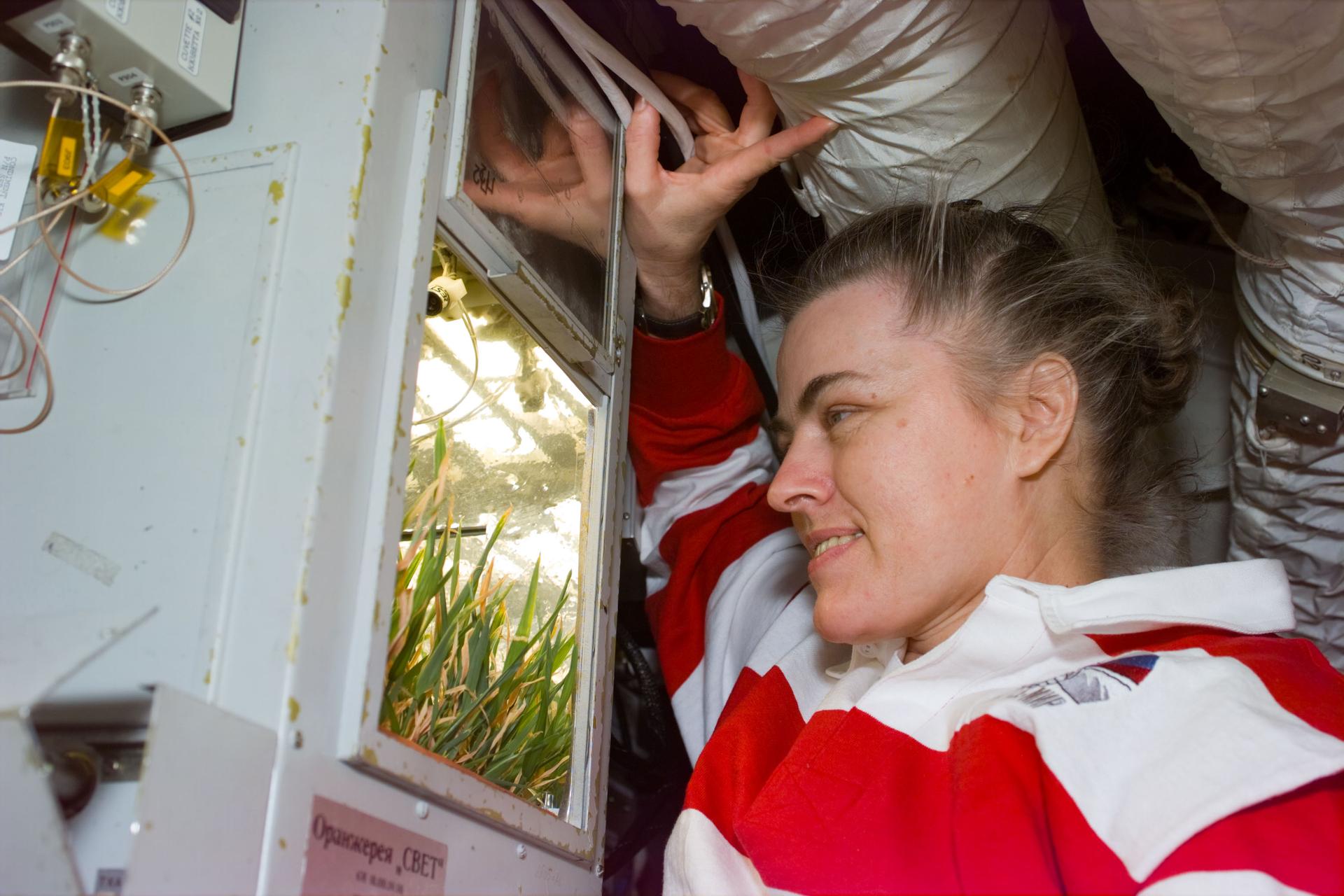
 Shannon Lucid’s Record-Setting Mission Aboard Mir Three days before returning to Earth, Shannon W. Lucid—who joined NASA in 1978 as one of its first six female astronauts—checked in on wheat growing in the Svet greenhouse aboard the Russian space station Mir. For six months, Lucid lived and worked alongside two Russian cosmonauts conducting life science […]Michele Ostovar nasa.gov
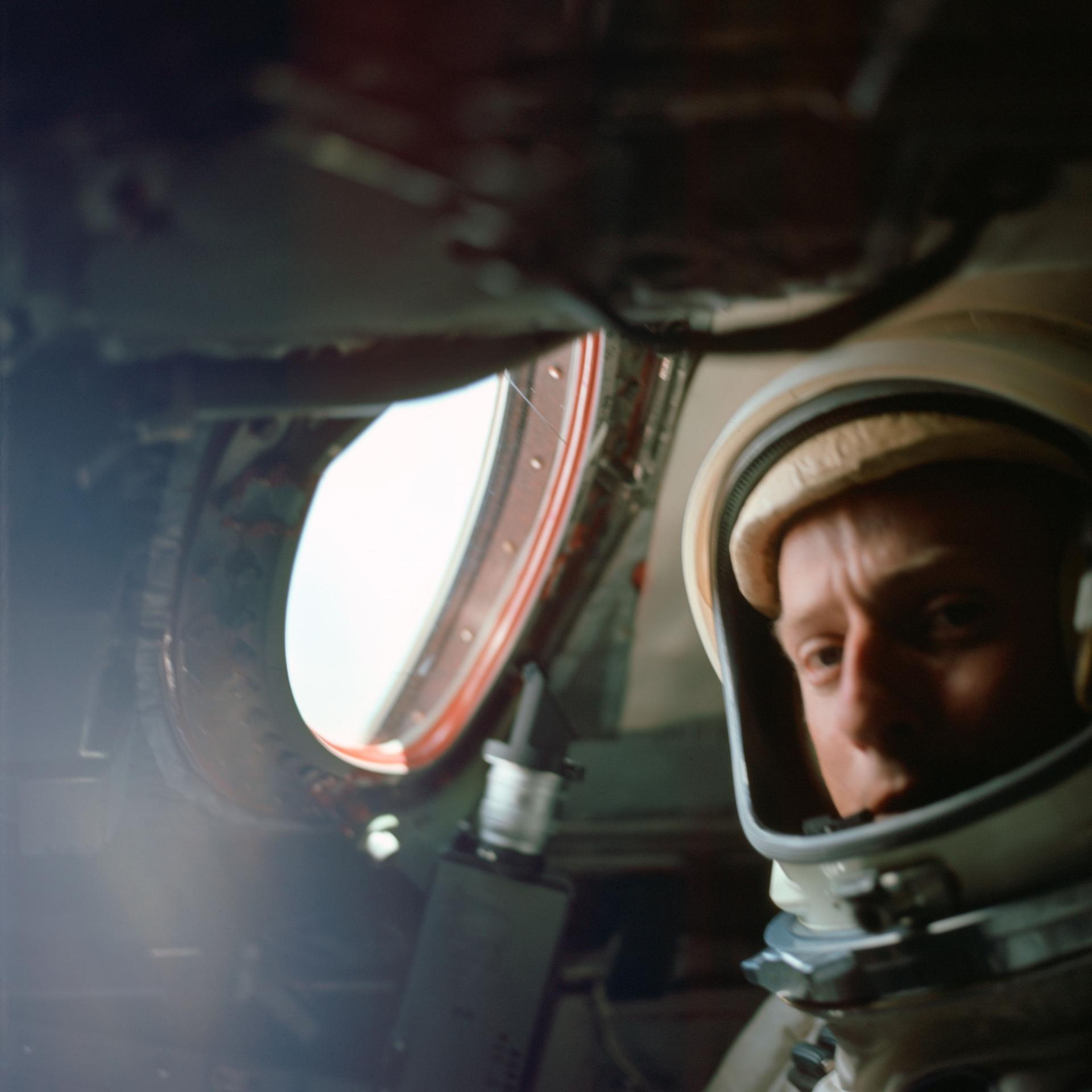
 The View from Above: The Gemini Visual Acuity ExperimentsNASA astronaut L. Gordon Cooper, Jr. took 29 color photographs of the Earth with a 70mm camera as he orbited our planet during the Mercury-Atlas 9 mission in May 1963. Cooper’s view from the window of his Faith 7 spacecraft was spectacular, and he reported that he could see vehicles motoring on dirt roads, smoke-belching trains, […]Michele Ostovar nasa.gov
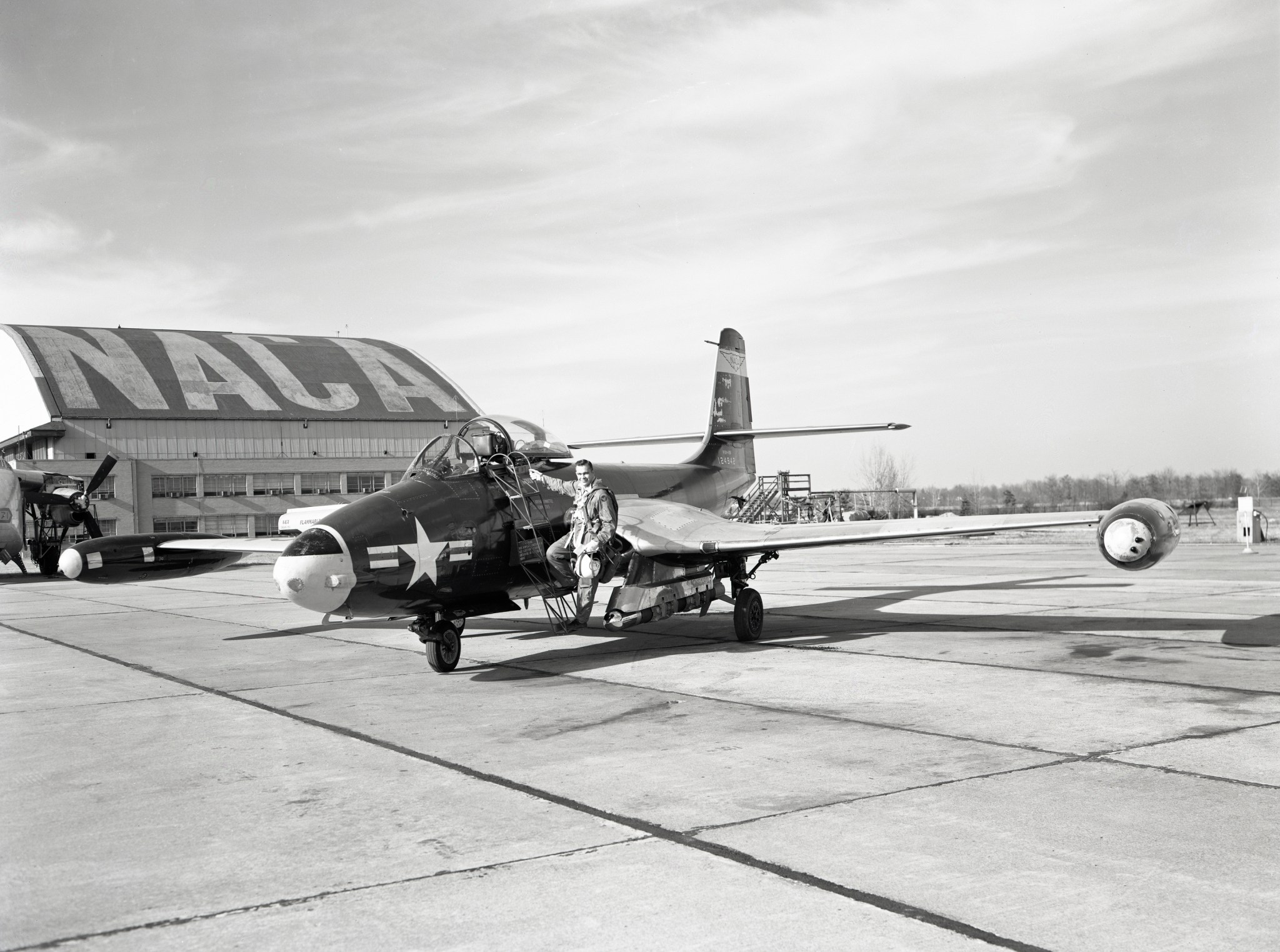
 NASA Glenn’s Legacy Forged Through Decades of Flight ResearchMany of NASA’s most important aerospace breakthroughs that began in the laboratory were ultimately proven in the sky. For decades, experts at NASA’s Glenn Research Center in Cleveland conducted flight tests — piloting aircraft into targeted environments such as icing clouds and carefully defined atmospheric routes. This approach allowed them to…Heather Baeslack nasa.gov
 20 Years of Space Communications and NavigationIn May 2006, NASA established the SCaN (Space Communications and Navigation) Program to unify the agency’s networks under one organization. Over the past 20 years, SCaN has become the backbone of NASA’s space communications and navigation capability, supporting everything from astronauts aboard the International Space Station to deep space science and…Katherine Schauer nasa.gov
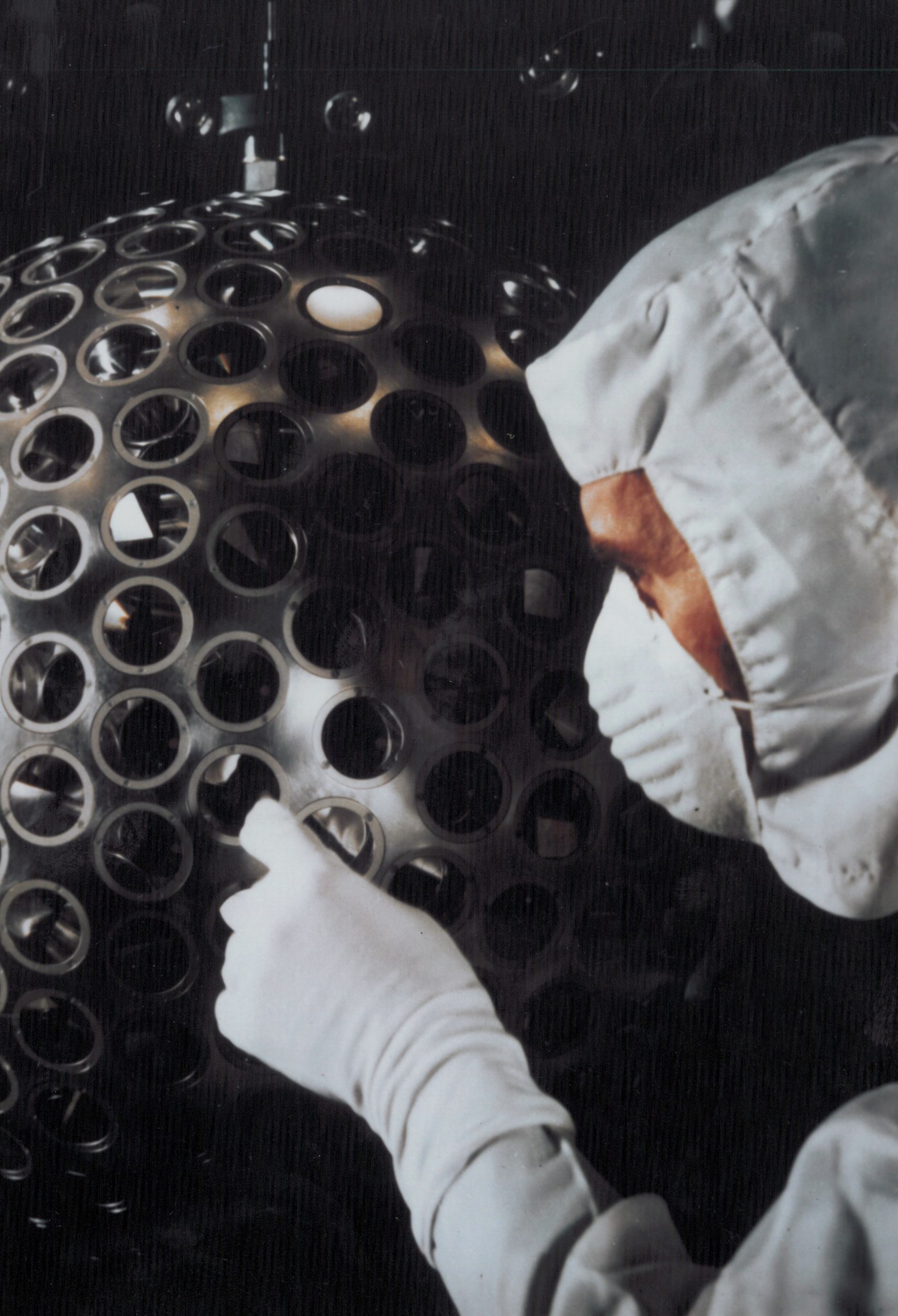
 LAGEOS: An Earth Science Mission Built for Enduring PrecisionOn May 4, 1976, a spacecraft resembling a disco ball entered orbit almost 3,700 miles (6,000 kilometers) above Earth. This shiny, two‑foot‑wide (60‑centimeter) sphere called the Laser Geodynamics Satellite, or LAGEOS, is covered with 426 retroreflectors—small mirrored prisms designed to bounce laser light directly back to where it came from. Beneath…Michele Ostovar nasa.gov
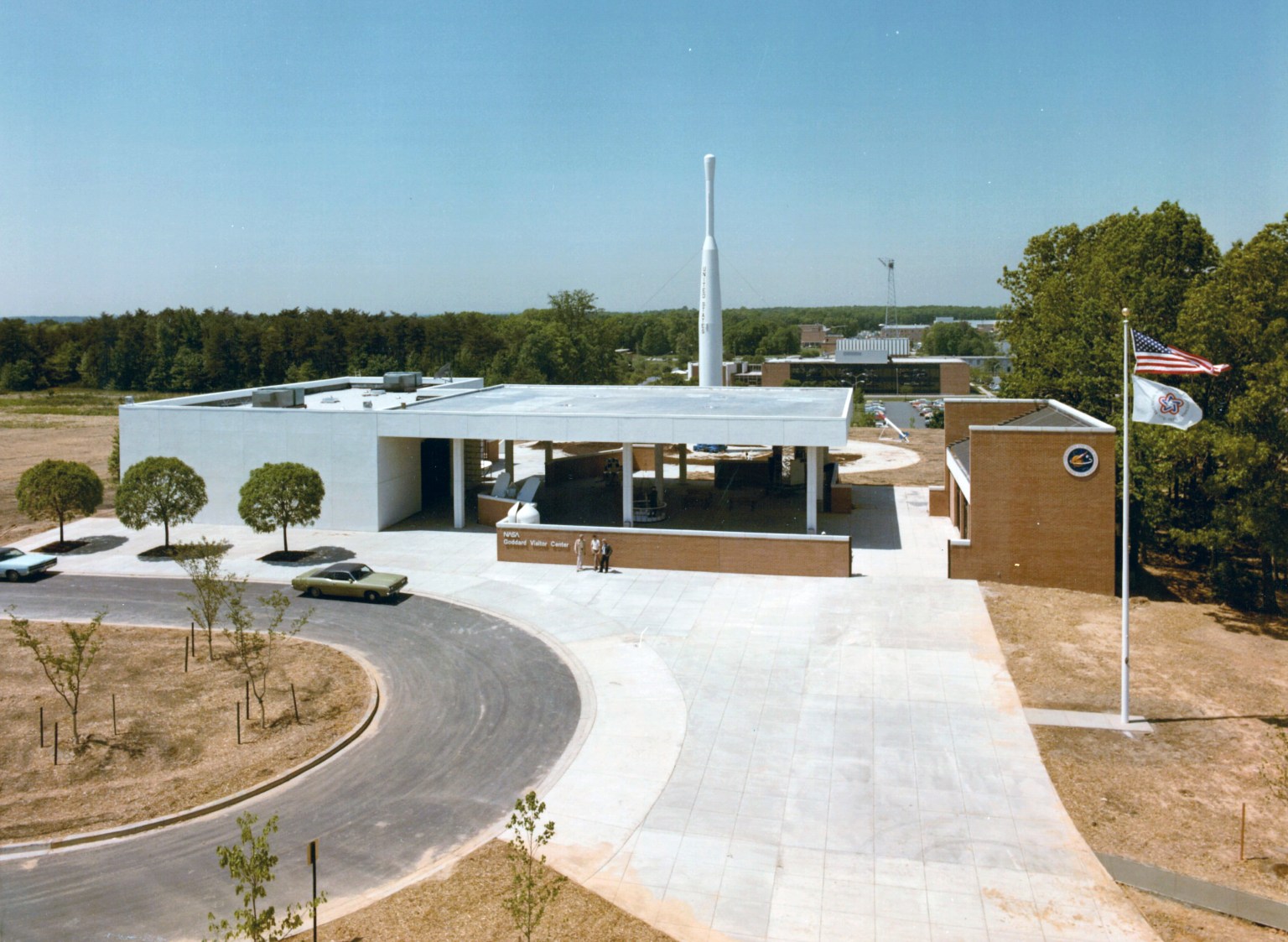
 NASA Goddard’s Greenbelt Visitor Center Marks 50th AnniversaryTrimmed in bicentennial pageantry, NASA opened a visitor center at its Goddard campus in Greenbelt, Maryland, in May 1976. Fifty years on, the Goddard Visitor Center continues to inspire through exhibits and programs on the past, present, and future of space exploration. “NASA’s 1958 charter tasks us with sharing our work as broadly as we […]Rob Garner nasa.gov
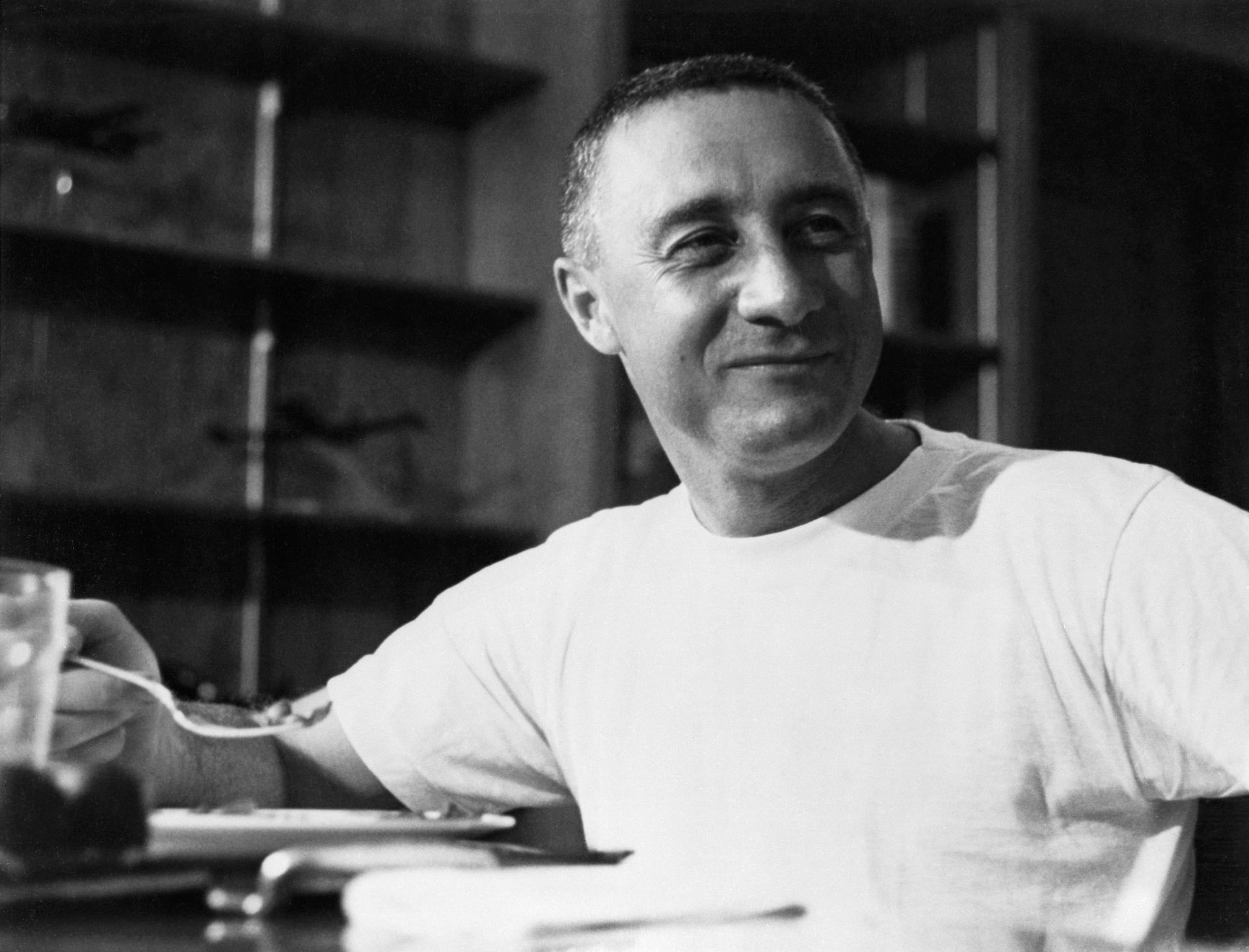
 Virgil I. “Gus” GrissomToday marks the 100th anniversary of the birth of Virgil I. “Gus” Grissom, born April 3, 1926, in Mitchell, Indiana. As one of NASA’s first seven astronauts, he became America’s second astronaut to fly in space when he launched aboard the Liberty Bell 7 spacecraft on July 21, 1961, just weeks after Alan Shepard’s historic […]Michele Ostovar nasa.gov
Through NASA’s Lens: Capturing Space Shuttle Endeavour’s Move to LAAs a new exhibit opens showcasing NASA’s space shuttle Endeavour, NASA photographers look back at the final mission. These photographers documented the iconic images shared around the world on Sept. 21, 2012, while millions watched space shuttle Endeavour fly on top of the agency’s 747 Shuttle Carrier Aircraft for the last time. Endeavour’s new home…Dede Dinius nasa.gov Happy 65 Years: NASA’s Johnson Space Center Then and NowSixty-five years ago, a bold vision took root in Houston: a NASA center dedicated to human spaceflight. Since its founding, NASA’s Johnson Space Center has helped lead the nation’s human spaceflight program, supporting missions from Project Mercury through Artemis. Today, Johnson serves as NASA’s Center of Excellence for Human Spaceflight, and its…Sumer Loggins nasa.gov Shannon Lucid’s Record-Setting Mission Aboard Mir Three days before returning to Earth, Shannon W. Lucid—who joined NASA in 1978 as one of its first six female astronauts—checked in on wheat growing in the Svet greenhouse aboard the Russian space station Mir. For six months, Lucid lived and worked alongside two Russian cosmonauts conducting life science […]Michele Ostovar nasa.gov The View from Above: The Gemini Visual Acuity ExperimentsNASA astronaut L. Gordon Cooper, Jr. took 29 color photographs of the Earth with a 70mm camera as he orbited our planet during the Mercury-Atlas 9 mission in May 1963. Cooper’s view from the window of his Faith 7 spacecraft was spectacular, and he reported that he could see vehicles motoring on dirt roads, smoke-belching trains, […]Michele Ostovar nasa.gov NASA Glenn’s Legacy Forged Through Decades of Flight ResearchMany of NASA’s most important aerospace breakthroughs that began in the laboratory were ultimately proven in the sky. For decades, experts at NASA’s Glenn Research Center in Cleveland conducted flight tests — piloting aircraft into targeted environments such as icing clouds and carefully defined atmospheric routes. This approach allowed them to…Heather Baeslack nasa.gov 20 Years of Space Communications and NavigationIn May 2006, NASA established the SCaN (Space Communications and Navigation) Program to unify the agency’s networks under one organization. Over the past 20 years, SCaN has become the backbone of NASA’s space communications and navigation capability, supporting everything from astronauts aboard the International Space Station to deep space science and…Katherine Schauer nasa.gov LAGEOS: An Earth Science Mission Built for Enduring PrecisionOn May 4, 1976, a spacecraft resembling a disco ball entered orbit almost 3,700 miles (6,000 kilometers) above Earth. This shiny, two‑foot‑wide (60‑centimeter) sphere called the Laser Geodynamics Satellite, or LAGEOS, is covered with 426 retroreflectors—small mirrored prisms designed to bounce laser light directly back to where it came from. Beneath…Michele Ostovar nasa.gov NASA Goddard’s Greenbelt Visitor Center Marks 50th AnniversaryTrimmed in bicentennial pageantry, NASA opened a visitor center at its Goddard campus in Greenbelt, Maryland, in May 1976. Fifty years on, the Goddard Visitor Center continues to inspire through exhibits and programs on the past, present, and future of space exploration. “NASA’s 1958 charter tasks us with sharing our work as broadly as we […]Rob Garner nasa.gov Virgil I. “Gus” GrissomToday marks the 100th anniversary of the birth of Virgil I. “Gus” Grissom, born April 3, 1926, in Mitchell, Indiana. As one of NASA’s first seven astronauts, he became America’s second astronaut to fly in space when he launched aboard the Liberty Bell 7 spacecraft on July 21, 1961, just weeks after Alan Shepard’s historic […]Michele Ostovar nasa.gov Named in it
Where they publish
| Name | By | Where | When |
|---|---|---|---|
| history.nasa.gov news · News RSS feedThis piece came through here | history.nasa.gov | Oct 26 | |
| NASA History Program Office · Website | history.nasa.gov | Sep 19 | |
| RSS feed | history.nasa.gov | Sep 20 | |
| Website | history.nasa.gov | Sep 20 |