NASA Science
Everything the estate keeps about it, including what it publishes itself.
In its own words
TOI-2535The post TOI-2535 appeared first on NASA Science.nasa.gov RX J0534.0-0221The post RX J0534.0-0221 appeared first on NASA Science.nasa.gov OGLE-2015-BLG-1395LThe post OGLE-2015-BLG-1395L appeared first on NASA Science.nasa.gov OGLE-2013-BLG-1125LThe post OGLE-2013-BLG-1125L appeared first on NASA Science.nasa.gov Mirage.jlMirage.jl is a multiplatform, integrated, OpenGL-powered framework for building interactive desktop applications in Julia, especially GUIs for simulations and scientific software. Its HTML5 Canvas–style 2D and 3D drawing API, Dear ImGui interface (via CImGui.jl), and GLFW application runtime work together as one system.Draw with calls like Mirage.fillrect…nasa.gov 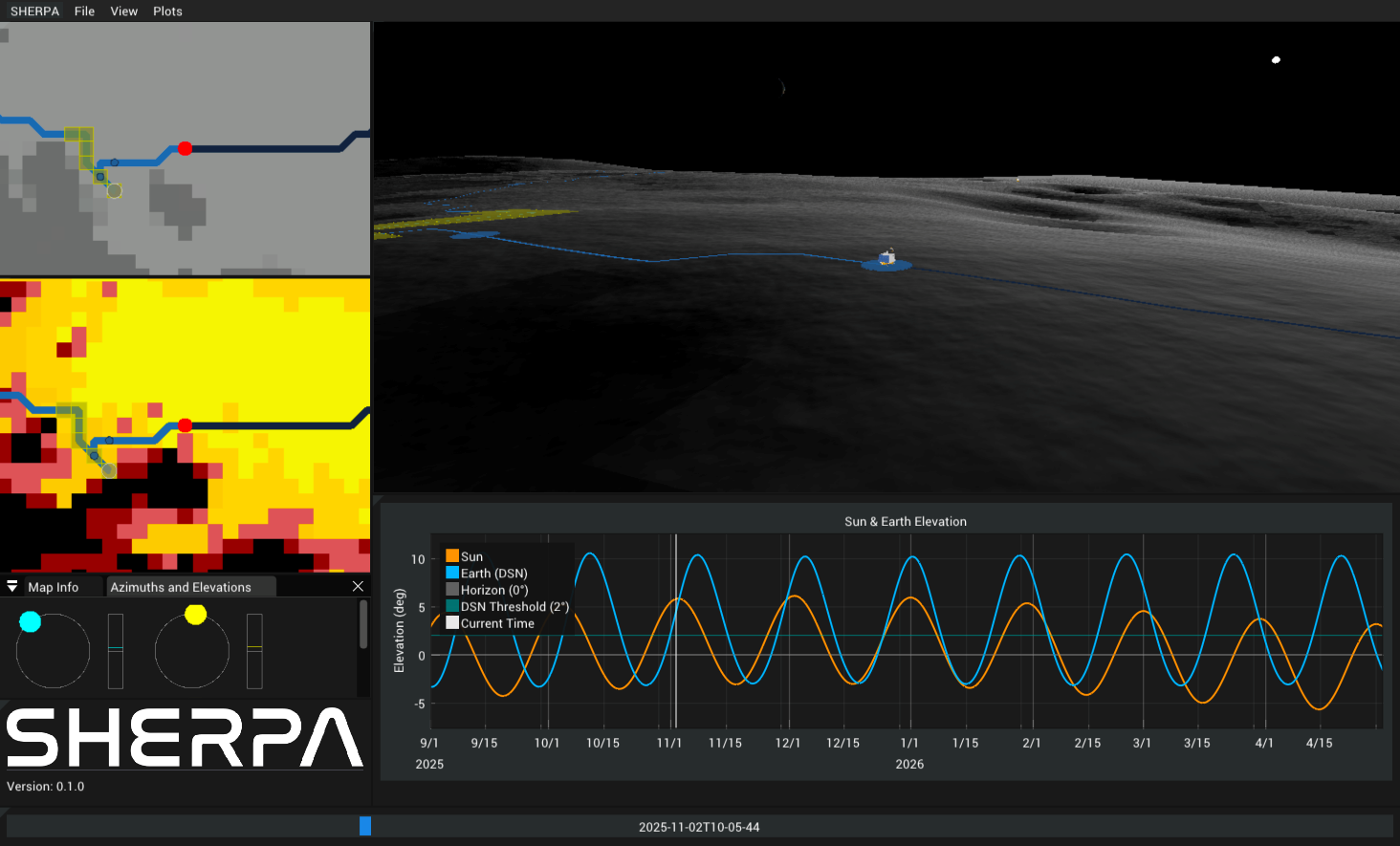 OGLE-2015-BLG-1395L bis a gas giant exoplanet that orbits a -type star. Its mass is 0.17 Jupiters, it takes 10.4 years to complete one orbit of its star, and is 3.04 AU from its star. Its discovery was announced in 2026. The post OGLE-2015-BLG-1395L b appeared first on NASA Science.nasa.gov
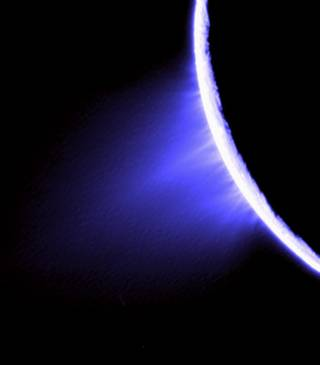 TOI-2535 bis a gas giant exoplanet that orbits a -type star. Its mass is 0.205 Jupiters, it takes 8.2 days to complete one orbit of its star, and is 0.076016891643453 AU from its star. Its discovery was announced in 2026. The post TOI-2535 b appeared first on NASA Science.nasa.gov RX J0534.0-0221 bis a gas giant exoplanet that orbits a -type star. Its mass is 2.8 Jupiters, it takes 76.7 years to complete one orbit of its star, and is 14 AU from its star. Its discovery was announced in 2026. The post RX J0534.0-0221 b appeared first on NASA Science.nasa.gov OGLE-2013-BLG-1125L bis a gas giant exoplanet that orbits a -type star. Its mass is 0.33036695 Jupiters, it takes 2.7 years to complete one orbit of its star, and is 1 AU from its star. Its discovery was announced in 2026. The post OGLE-2013-BLG-1125L b appeared first on NASA Science.nasa.gov /odpo/reentryDebris Reentry Due to the increasing number of objects in space, NASA and the international aerospace community have adopted guidelines and assessment procedures to reduce the number of non-operational spacecraft and spent rocket upper stages orbiting the Earth. One method of postmission disposal is to allow the reentry of these spacecraft, either from…nasa.gov Laboratory Astrophysics Newsletter Issue 4Lab Astro NewsletterLab Astro Newsletter HomeIssuesIssue 1: Cold Solar System ObjectsIssue 2: ExoplanetsIssue 3: Astrophysical IcesIssue 4: Computational ChemistryInterviewsContributeAstrophysics Division The post Laboratory Astrophysics Newsletter Issue 4 appeared first on NASA Science.nasa.gov
 APOD: 2026 November 19 – The Horsehead and Flame NebulasThe post APOD: 2026 November 19 – The Horsehead and Flame Nebulas appeared first on NASA Science.Cecilia Chirenti nasa.gov
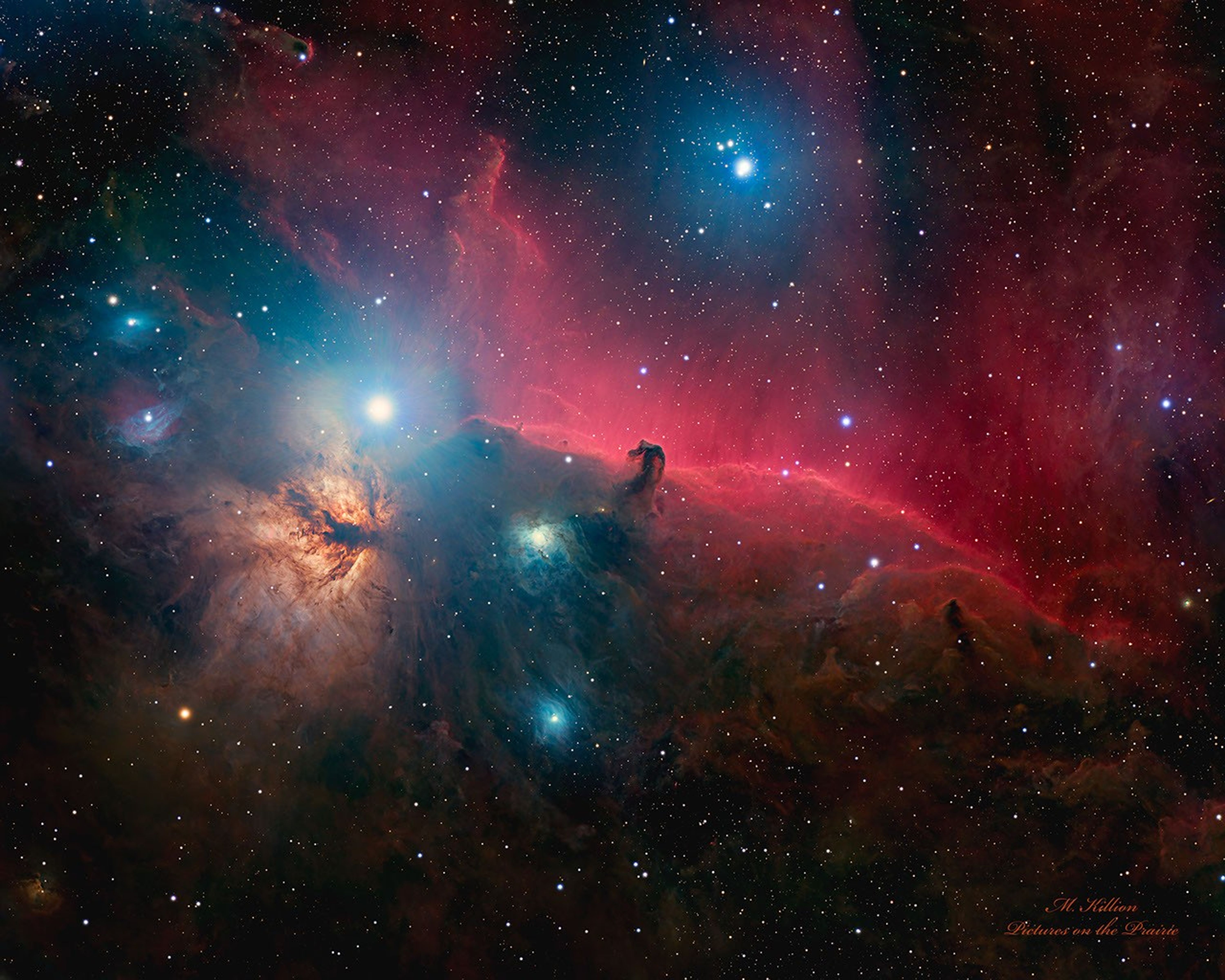
OGLE-2015-BLG-1395L bis a gas giant exoplanet that orbits a -type star. Its mass is 0.17 Jupiters, it takes 10.4 years to complete one orbit of its star, and is 3.04 AU from its star. Its discovery was announced in 2026. The post OGLE-2015-BLG-1395L b appeared first on NASA Science.nasa.gov TOI-2535 bis a gas giant exoplanet that orbits a -type star. Its mass is 0.205 Jupiters, it takes 8.2 days to complete one orbit of its star, and is 0.076016891643453 AU from its star. Its discovery was announced in 2026. The post TOI-2535 b appeared first on NASA Science.nasa.gov RX J0534.0-0221 bis a gas giant exoplanet that orbits a -type star. Its mass is 2.8 Jupiters, it takes 76.7 years to complete one orbit of its star, and is 14 AU from its star. Its discovery was announced in 2026. The post RX J0534.0-0221 b appeared first on NASA Science.nasa.gov OGLE-2013-BLG-1125L bis a gas giant exoplanet that orbits a -type star. Its mass is 0.33036695 Jupiters, it takes 2.7 years to complete one orbit of its star, and is 1 AU from its star. Its discovery was announced in 2026. The post OGLE-2013-BLG-1125L b appeared first on NASA Science.nasa.gov /odpo/reentryDebris Reentry Due to the increasing number of objects in space, NASA and the international aerospace community have adopted guidelines and assessment procedures to reduce the number of non-operational spacecraft and spent rocket upper stages orbiting the Earth. One method of postmission disposal is to allow the reentry of these spacecraft, either from…nasa.gov Laboratory Astrophysics Newsletter Issue 4Lab Astro NewsletterLab Astro Newsletter HomeIssuesIssue 1: Cold Solar System ObjectsIssue 2: ExoplanetsIssue 3: Astrophysical IcesIssue 4: Computational ChemistryInterviewsContributeAstrophysics Division The post Laboratory Astrophysics Newsletter Issue 4 appeared first on NASA Science.nasa.gov APOD: 2026 November 19 – The Horsehead and Flame NebulasThe post APOD: 2026 November 19 – The Horsehead and Flame Nebulas appeared first on NASA Science.Cecilia Chirenti nasa.gov Named in it
science.nasa.gov newsIn 3 of the last 8 piecesscience.nasa.govNASA Breaking NewsIn 3 of the last 8 piecesnasa.govapod.comIn 2 of the last 8 piecesapod.comastrobin.comIn 2 of the last 8 piecesastrobin.comPublic - WikipediaIn 2 of the last 8 piecesen.wikipedia.orgutahdesertremote.comIn 2 of the last 8 piecesutahdesertremote.comUnsplashIn 2 of the last 8 piecesunsplash.compop-imagery.comIn 2 of the last 8 piecespop-imagery.comMichigan Technological UniversityIn 2 of the last 8 piecesmtu.eduBing MapsIn 2 of the last 8 piecesmicrosoft.comnoaa.govIn 1 of the last 8 piecesnoaa.govmeteochile.gob.clIn 1 of the last 8 piecesmeteochile.gob.clchileflora.comIn 1 of the last 8 pieceschileflora.commma.gob.clIn 1 of the last 8 piecesmma.gob.clHawaiian Volcano ObservatoryIn 1 of the last 8 piecesusgs.govAtlas Obscura - Latest Articles and PlacesIn 1 of the last 8 piecesatlasobscura.comEventbriteIn 1 of the last 8 pieceseventbrite.com