After Ebola
The Infinite Monkey Cage bbci.co.uk
This is what was read here when it was published. BBC World Service no longer carries it in what it publishes now.
Listen to this summary
Last November Sierra Leone was declared Ebola free. By then, the epidemic had killed over 11,000 people in West Africa. The speed at which it took off highlighted the poor state of healthcare in the affected countries. Now in Sierra Leone some of the facilities created to deal with Ebola are being repurposed, to take in wider health care needs.
The capital Freetown’s main hospital now has a new accident and emergency department, developed from the facilities created there to deal with Ebola. Around the country medical laboratories set up to detect and confirm Ebola cases are now being equipped with new diagnostic machines capable of detecting nearly 50 other viral diseases.
More ways to use this
Open on another device

Scan to open this page. Your saved notes and account access are not included.
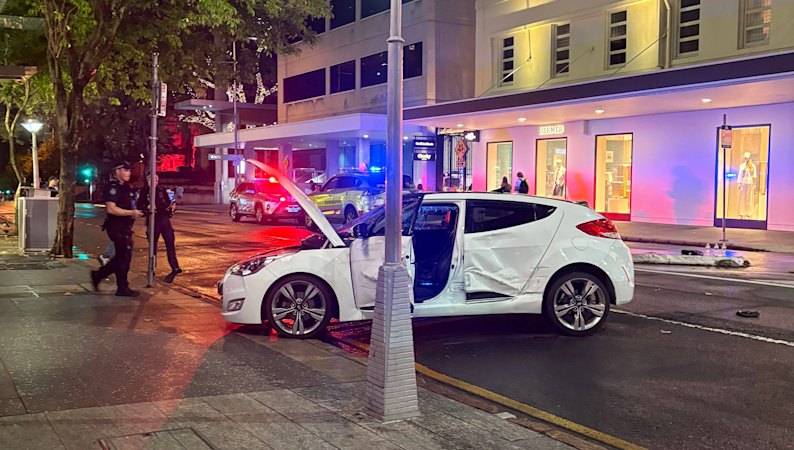 Car hits large group of people in Brisbane CBD after running red light
 Boy, 3, dies after being struck by ute at NSW holiday park
 U.S. urges critical infrastructure orgs to secure refrigeration systems ASAP after EU supermarket and blood bank attacks